
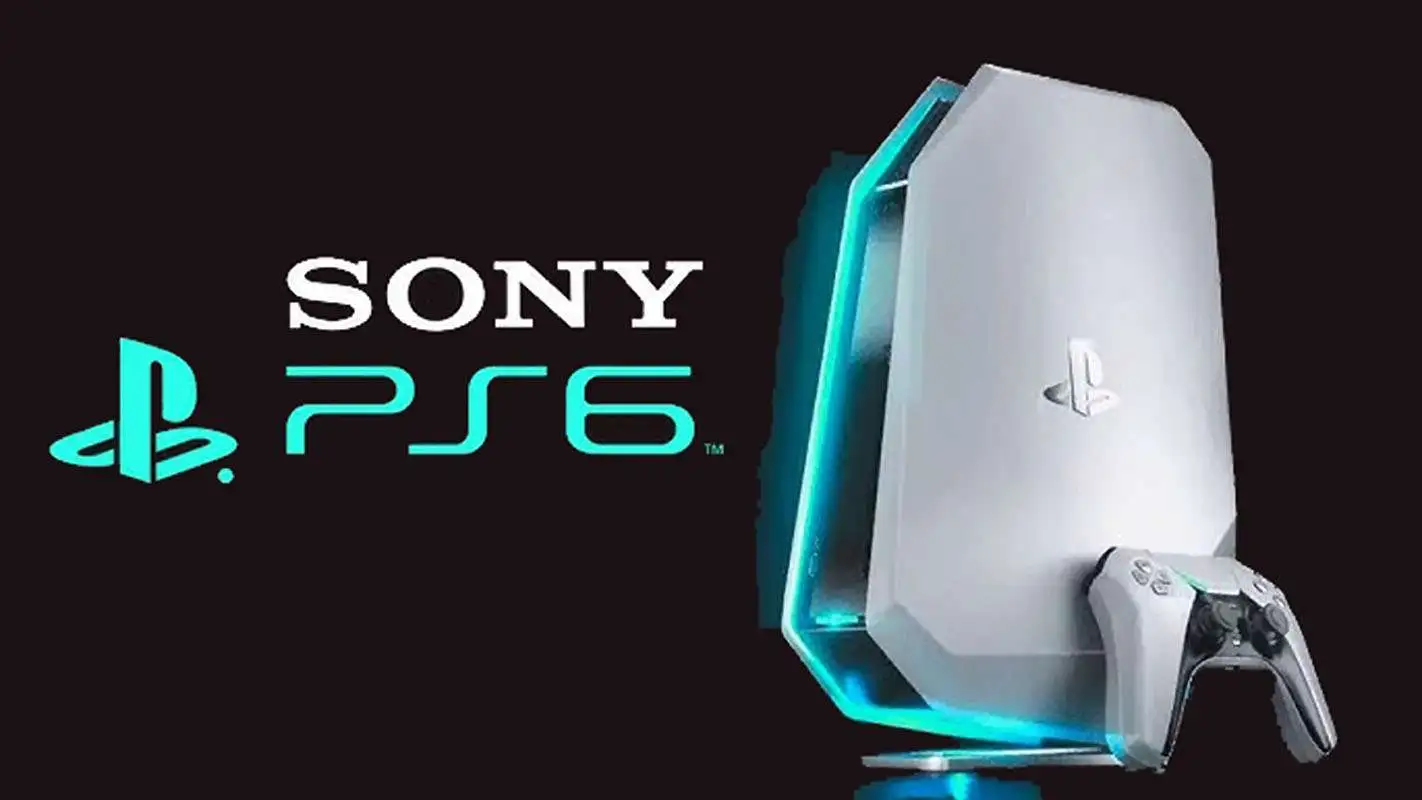
Console leaks are loudest when the real story is still quiet. That is why PlayStation 6 Leaked Specifications deserve a careful read, not a victory lap. Sony has not announced the PS6, yet the pattern around PS6 specs is already taking shape through AMD talk, PS5 Pro lessons, and steady Sony console rumors. For American gamers, the right question is not “How many teraflops?” It is simpler: will the next PlayStation console make games feel smoother, sharper, faster, and worth the price? That is where clear tech reporting matters, because rumors can turn into shopping pressure before anyone has seen a box. The best expectation is a machine built around smarter graphics, stronger ray tracing, AI upscaling, better memory handling, and broad support for existing PlayStation libraries. The worst expectation is a magic 8K box that fixes every game. That is not how consoles work. The PS6 will matter if it makes daily play feel better on the TV most people own.
How PlayStation 6 Leaked Specifications Should Be Read
The first rule is boring, which makes it useful: no retail PS6 spec sheet exists yet. Every rumor sits somewhere between informed supply-chain talk and console-war theater. Some leaks may come from real planning. Some may come from PC hardware guesses wearing a PlayStation badge.
Why rumor numbers can mislead even smart buyers
A console spec leak usually starts with a chip codename, CPU core count, GPU family, memory amount, or performance claim. That sounds concrete. It feels like a receipt. Yet console design changes through cost checks, heat limits, developer feedback, and timing.
Look at how PS5 Pro landed in the real world. Sony did not sell it by shouting one huge number. The pitch centered on a stronger GPU, better ray tracing, and PlayStation Spectral Super Resolution. Those changes mattered because developers could ship sharper images or steadier frame rates, not because a single chart looked good.
That same lesson should guide PS6 specs talk. A rumored Zen-based CPU or newer AMD graphics block matters only if games stop choosing between good lighting and smooth control. If a racing game can hold 60 frames per second with richer reflections, players feel that. If a leak says “huge power jump” but games still ship with uneven modes, nobody wins.
What the official Sony and AMD signals actually suggest
The safer clue sits in Sony’s public direction. PS5 Pro already moved PlayStation toward AI-driven upscaling, heavier ray tracing, and more efficient rendering. Sony’s official PSSR update shows that image reconstruction is no side feature anymore. It is becoming part of the console identity.
The non-obvious part is this: the PS6 may feel less like a brute-force box and more like a smarter rendering machine. That may disappoint players who want one giant number to brag about. It should excite players who care about how games look in motion.
Think about a living room in Ohio with a midrange 4K TV, not a lab monitor. Better upscaling, cleaner motion, and smarter memory use could matter more than native resolution claims. The next PlayStation console has to win on normal screens, with normal internet, in normal homes.
The Hardware Direction Gamers Should Expect
Once you filter out the noise, a practical hardware picture appears. Sony will almost surely stay close to AMD. The PS4, PS5, and PS5 Pro all leaned on that relationship, and the public Sony-AMD work points toward more machine-learning graphics and better light handling.
CPU and GPU upgrades will matter most in messy games
The CPU side should matter more than some players expect. Big open-world games often struggle because the machine must handle crowds, physics, enemy behavior, streaming, animation, and background systems at once. Better graphics alone does not solve that mess.
A stronger CPU could help games like a future Grand Theft Auto, Spider-Man, or massive RPG keep city life active without frame pacing trouble. That does not mean every title turns into a 120 fps showcase. It means fewer moments where a busy scene makes the whole game feel tired.
On the GPU side, expect the largest push around ray tracing and AI image work. Sony console rumors keep circling newer AMD graphics tech, but the practical goal is easy to understand. Developers want richer light without punishing performance. Players want crisp images without choosing a blurry performance mode every time.
Memory may decide price more than hype
Memory sounds dull until it controls the bill. A console can have a strong GPU and still run into trouble if fast memory costs too much. That is why release timing and price rumors should be read together.
The counterintuitive insight is that Sony may gain more from waiting than rushing. A later launch can give memory prices room to settle, give AMD hardware more time to mature, and give developers a clearer target. Gamers hate delays, but an expensive console launched into a rough parts market can hurt the whole generation.
A good PS6 design should not chase waste. It should feed the GPU with enough bandwidth, store game assets cleanly, and cut bottlenecks that make open worlds stutter. Universal compression and better memory handling sound technical, but the player-facing result is simple: more detail on screen with less strain.
For more buying context once Sony speaks clearly, a future PS5 Pro upgrade guide can help players decide whether to wait or buy current hardware.
Graphics, AI Upscaling, and the Real 8K Trap
The PS6 conversation will attract one lazy promise: 8K gaming. Ignore that as the main story. The real win is not chasing a number almost nobody needs. It is making 4K play cleaner, steadier, and less compromised.
Why AI upscaling may shape the next generation
AI upscaling is not fake resolution when it works well. It lets a game render at a lower internal resolution, then rebuild a sharper image using trained models. The console saves power for lighting, effects, animation, and frame rate.
That trade matters. A developer working on a horror game may choose better shadows and fog over raw pixels. A sports studio may choose higher frame rate over heavier crowd detail. Smarter upscaling gives teams room to make those choices without handing players a soft image.
PS5 Pro already trained gamers to expect this. Some players still want native rendering because it sounds purer. Yet the best reconstructed image can beat a rough native one if motion stays calm and fine detail holds together. Your eyes judge the couch experience, not the label in a settings menu.
Ray tracing will matter when developers stop treating it as decoration
Ray tracing on current consoles often feels like a bonus mode. You turn it on, frame rate drops, and the trade becomes hard to defend. The next PlayStation console needs to make ray-traced lighting feel normal, not premium.
That does not mean every puddle becomes a mirror. Better ray tracing should help scenes feel grounded. A room should have light that bounces in believable ways. A car should reflect nearby traffic without tanking the frame rate. A forest should hold shadow detail without turning into gray soup.
The non-obvious point is that better ray tracing can make games look less flashy. More natural light often feels quieter. You may not stop and say, “That is ray tracing.” You may notice that the world feels less flat. That is the win.
For TV setup help, a related best gaming TV settings for PlayStation resource would pair well with this topic after the console launches.
Release Timing, Price, and Backward Compatibility Expectations
The PS6 will not live in a vacuum. It will arrive in a market where many players still feel their PS5 has life left. It also has to compete with PC handhelds, Xbox plans, Nintendo’s hybrid strength, and rising hardware costs in the United States.
Why 2028 may make more sense than 2027
A 2027 launch would fit the old console rhythm. A 2028 launch may fit the current market better. Sony has a PS5 Pro on shelves, major first-party games still coming, and a large player base that has not begged for a reset.
American buyers also face a harder price question than they did in 2020. A $499 console felt high but familiar. A $599 or $699 machine needs a stronger case. If tariffs, memory prices, or premium parts raise costs, Sony has to decide whether power is worth sticker shock.
Here is the quiet truth: the PS6 does not need to arrive first. It needs to arrive ready. A console that launches with poor supply, thin upgrades, or a painful price can lose goodwill fast. Waiting can be a strategy, not a retreat.
Backward compatibility could be the feature that protects trust
Backward compatibility may not sound exciting beside new graphics tech. It may still be the feature that protects Sony from anger. Players have built huge PS4 and PS5 libraries. Many pay for digital games, DLC, cloud saves, and subscriptions. Asking them to start over would feel hostile.
Rumors point toward PS4 and PS5 support, and that makes business sense. The harder challenge is not whether old games boot. It is whether they run better, load faster, and move cleanly between generations. Smart delivery, clearer upgrade paths, and stronger library handling could matter as much as raw power.
A family in Texas with two kids and one main TV does not think in architecture terms. They think, “Will my games still work?” If Sony answers that question well, the PS6 launch becomes less risky. If it fumbles, every hardware promise feels smaller.
Conclusion
The PS6 rumor cycle will keep feeding gamers numbers because numbers travel fast. A sharper read says the next machine will be judged by steadier performance, better image reconstruction, richer lighting, fair backward compatibility, and a launch price that does not scare off loyal players. The smartest way to read PlayStation 6 Leaked Specifications is to separate the shape of Sony’s strategy from the noise around exact parts. Sony’s public work with AMD points toward AI-assisted rendering and stronger graphics efficiency, while release timing still depends on cost, supply, and market patience. Gamers should expect a console built to make 4K play feel cleaner and more stable, not a fantasy box that turns every title into native 8K. Wait for Sony’s reveal before making buying plans. Until then, treat every leak as a clue, not a contract, and spend your money only when the games make the upgrade feel earned.
Frequently Asked Questions
When will the PS6 likely be released?
A 2028 launch looks more realistic than a rushed 2027 release, though Sony has not confirmed a date. Pricing pressure, memory costs, PS5 Pro’s shelf life, and developer readiness all affect timing. A later launch could help Sony ship stronger hardware at a saner price.
Will PS6 games run at 4K 120 fps?
Some games may hit 4K 120 fps, especially esports, racing, and lighter titles. Large open-world games will still make tradeoffs. Expect more 60 fps modes with better image quality, rather than every major release running at 120 fps with full ray tracing.
Is 8K gaming realistic on PS6?
8K output may appear in marketing, but native 8K gaming should not be the expectation. Most players will benefit more from cleaner 4K, stronger upscaling, steadier frame rates, and better lighting. Real living-room gains matter more than a headline resolution.
Will the PS6 support PS5 games?
Backward compatibility with PS5 games is widely expected because Sony has a large digital library to protect. Full confirmation must come from Sony. The best version would improve older games through faster loading, steadier performance, and cleaner upgrade paths.
How powerful will the PS6 be compared with PS5 Pro?
The PS6 should beat PS5 Pro by a clear margin, but the gap may show through smarter rendering rather than raw power alone. Expect better ray tracing, stronger AI upscaling, improved memory handling, and a CPU that handles busier game worlds with less strain.
Should I buy a PS5 Pro or wait for PS6?
Buy PS5 Pro if you want better current-gen performance now and play often on a 4K TV. Wait for PS6 if your PS5 still feels fine, your backlog is large, or you want a true generation jump. The better choice depends on your play habits.
Will the PS6 have a handheld version?
A PlayStation handheld is often rumored, but Sony has not confirmed a PS6 handheld. The idea makes sense because efficient graphics tech could help portable hardware. Still, handheld performance, battery life, price, and game support would decide whether it works.
How much will the PS6 cost in the USA?
A price between $500 and $700 feels plausible, but no official number exists. Memory prices, tariffs, storage choices, and model options could move the final price. Sony must balance power with mass-market reach, because console buyers punish overpricing fast.