

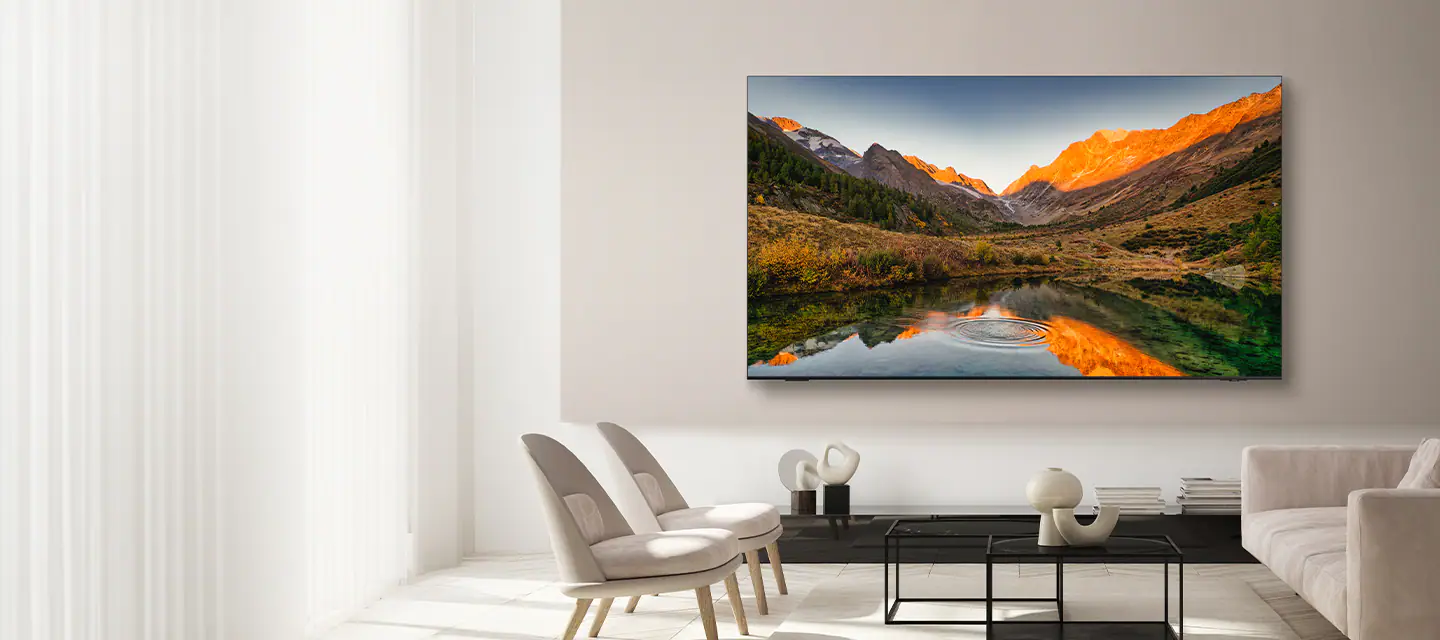
A great screen does not announce itself with a spec sheet. You feel it when a night scene still has shape, when a hockey game stays clean in daylight, or when a face looks warm instead of waxy. That is where picture quality becomes personal, not technical. For buyers in the United States, the choice often comes down to two premium paths: OLED and Mini LED. Both can look stunning in a showroom, and both can disappoint in the wrong room. That is the part many buying guides skip. A screen is not judged in a vacuum. It sits across from windows, next to lamps, under ceiling lights, beside kids, consoles, pets, and Sunday football snacks. For broader consumer tech coverage, digital buying advice for modern homes can help readers sort specs from real use. The better display is the one that matches your room, your habits, and your tolerance for tradeoffs. OLED wins when control matters most. Mini LED wins when brightness has to fight the house.
Where Picture Quality Is Won Before You Notice the Spec Sheet
The first fight is not OLED against Mini LED. It is control against force. OLED controls light at the pixel level, while Mini LED uses a backlight divided into zones behind an LCD layer. That sounds small until you watch a white subtitle over a black movie scene. One screen can light the letters without lifting the black around them. The other has to manage a whole nearby zone. That is the tension behind nearly every premium TV debate.
Why black levels decide more than brightness at night
OLED has one clean advantage: each pixel can turn itself off. When a scene cuts to space, a candlelit hallway, or a black tuxedo in a dim room, the dark areas stay dark. There is no gray wash sitting behind the image. Your eye reads that as depth.
That matters because contrast is not only about how bright a highlight gets. It is about how far that highlight sits from black. A small lamp in a dark movie scene can feel sharper on an OLED TV than a brighter lamp on a screen that cannot keep the surrounding area dark.
Mini LED can get close, and the best sets do impressive work. More dimming zones mean better control, and premium models can reduce halos around stars, subtitles, and bright objects. Still, the screen is making educated guesses. It dims groups of lights behind the LCD panel, not each pixel.
Here is the non-obvious part: some viewers notice raised blacks faster than they notice missing brightness. A movie night in a dark basement can make a cheaper OLED feel more “premium” than a brighter Mini LED TV. The room removed the brightness contest. What remains is control.
Why bright rooms punish the wrong screen
Now move that same TV into a Phoenix living room with two west-facing windows. The story changes fast. Daylight does not care about perfect blacks. It lands on the screen, lifts the floor, and makes dark detail harder to see.
Mini LED is built for that fight. It can push higher brightness across larger parts of the screen, which helps sports, daytime news, and cable TV hold up in a room that stays lit. If your family watches March Madness at 2 p.m., this is not a small perk. It is the whole experience.
OLED has improved, especially in premium models, but it still tends to shine most when the room gives it a little respect. Heavy sunlight can flatten the magic. Reflections can pull your attention away from the image. A bright OLED can help, but it cannot change the basic physics of a glossy screen in a sunlit room.
A useful rule is simple. If you watch serious movies at night, OLED feels richer. If your TV competes with windows, lamps, and daytime use, Mini LED often feels easier to live with. Specs matter less than the light hitting your couch.
The Living Room Test: Sunlight, Sports, Movies, and Kids
Once you leave the showroom, the screen becomes part of family life. It may handle a Netflix drama at night, a Nintendo Switch session after school, a football game with the blinds open, and a local weather alert before work. This is where neat rankings fall apart. A display that wins in a dark lab may not win in a busy American living room.
OLED TV strengths when the lights go down
An OLED TV feels made for controlled viewing. Turn off the lamps, start a film, and the image gains a calm precision. Faces hold natural shadow. Black bars disappear into the room. Dark clothing keeps texture instead of turning into a flat patch.
This is why movie lovers keep coming back to OLED. It does not need to blast your eyes to feel rich. A midnight scene can be quiet and still carry detail. A neon sign can glow without bleeding into the whole block around it.
There is another benefit that matters for real homes: viewing angle. In many living rooms, not everyone sits dead center. Someone is on the side chair. Someone is on the floor. Someone is half-watching from the kitchen. OLED tends to hold color and contrast better from the side than many LCD-based screens.
The counterpoint is use pattern. If your screen stays on cable news for hours, or if a game HUD sits in the same corner all weekend, OLED requires more care. Modern sets include protections, but static images are still not its favorite diet. For pure evening viewing, though, it remains hard to beat.
Mini LED TV strengths when the room stays awake
A Mini LED TV is the practical athlete of the premium display world. It handles glare better, holds bright scenes with confidence, and often gives you more screen size for the money. That mix works for homes where the TV is not treated like a theater screen.
Think about a Kansas City family room during an NFL Sunday. The blinds are open. People move in and out. The game is bright, fast, and full of white uniforms, green turf, score bars, and crowd shots. Mini LED does not need darkness to make that feel lively.
It also tends to be less stressful for heavy mixed use. Kids pause games. Adults leave streaming menus up. A workout app may sit on screen every morning. A Mini LED TV does not remove all risk from long-term use, but it avoids OLED’s burn-in concern because it is not using organic self-lit pixels.
The surprise is that Mini LED is not only the “bright room” choice anymore. Good local dimming has made premium sets far better in dark scenes than older LED TVs. They still may show some blooming, but the gap has narrowed enough that many buyers will care more about room brightness, price, and size than black-level purity.
HDR, Gaming, and Motion Without the Marketing Fog
HDR is where both technologies can look their best, and where bad explanations create the most confusion. A brighter number on a box does not mean the better image wins. HDR needs brightness, black level, tone mapping, color volume, and control working together. Miss one piece, and the demo still looks loud instead of lifelike.
HDR performance is about control, not only brightness
HDR performance sounds like a brightness contest, but that is only half true. Mini LED can often hit higher peaks and keep bright full-screen scenes stronger. Snowfields, stadium lights, sunny beaches, and animated movies can look bold and punchy.
OLED answers with precision. A firework against a black sky, a flashlight in a cave, or sunlight catching one side of a face can look cleaner because the screen is not lighting a larger zone around the highlight. The best moment is not always the brightest one. It is the one that lands in the right place.
A Mini LED TV can win in a bright HDR scene that fills the screen. An OLED TV can win when the HDR highlight is small and surrounded by darkness. This is why two people can test the same displays and disagree honestly. They are reacting to different scenes.
The smartest buyer watches the content they love. If your home is full of sports, animation, and daytime streaming, Mini LED makes sense. If your nights are full of films, premium dramas, and space-heavy sci-fi, OLED feels more exact. For extra research, a source like TV picture testing methods helps explain why lab scores can split by use case.
Fast motion feels different when pixels answer fast
Gaming adds a new layer. You are not only watching an image. You are steering it. Response time, refresh rate, input delay, contrast, and brightness all meet in one place.
OLED has a natural motion advantage because its pixels respond fast. In a racing game, camera swing, or quick shooter, the image can feel cleaner. Dark scenes are also easier to read because blacks are not smeared into gray. That helps in games where enemies hide in shadow.
Mini LED gaming can still be excellent. Many sets support 120 Hz or higher, variable refresh rate, and low input delay. They also get bright, which helps in daytime play and colorful open-world games. A bright desert, snowy mountain, or sports title can look energetic on a good Mini LED screen.
The odd truth is that the best gaming screen may depend on the menu habits of the player. If you play many games with fixed health bars, maps, scoreboards, and long pause screens, Mini LED is more forgiving. If you play varied games and want the cleanest motion and contrast, OLED feels special. No spec sheet can tell you how careful your household will be.
Buying the Right Screen for an American Home
The best display choice often hides inside the floor plan. A downtown apartment, a finished basement, a suburban great room, and a bedroom all ask different things from a TV. You can buy the “better” technology and still bring home the wrong screen. That is why room fit should come before brand loyalty.
Apartment, basement, and open-plan room choices
In an apartment, glare and seating angle matter. If the couch sits close and viewers spread out, OLED has appeal because it keeps the image stable from the side. It also makes smaller premium sizes feel cinematic. A 55-inch OLED in a dark apartment can feel more expensive than it was.
A basement flips the contest even harder toward OLED. Low light gives black levels room to work. Horror films, prestige dramas, and late-night gaming gain depth. You are not paying for brightness you do not need.
An open-plan living room is less polite. Kitchens spill light. Patio doors throw reflections. Someone watches from a breakfast bar. In that setting, Mini LED often becomes the safer recommendation. It keeps the image alive when the room refuses to act like a theater.
There is one more angle: size. Mini LED models often deliver larger screens at lower prices than premium OLED sets. If you are choosing between a 65-inch OLED and a 75-inch Mini LED for a big family room, the larger screen may create the stronger experience. Immersion is not a lab metric, but your couch will notice.
The hidden ownership costs nobody checks in the aisle
The aisle test is unfair. Stores run bright demo clips made to sell color and shine. Your home runs old sitcoms, streaming apps, school YouTube, local sports, news crawls, and games with static menus. That daily mix changes the math.
OLED asks for a little discipline. Vary the content. Do not leave static screens up for long periods. Let the panel care features do their work. For most normal viewers, that is not hard. For a household that leaves the TV on all day, it may become a source of worry.
Mini LED asks you to accept a different tradeoff. You may see blooming around subtitles, menu icons, or white objects on black backgrounds. Some people stop noticing. Others never stop seeing it. If you watch many foreign films with subtitles in a dark room, test that before buying.
Budget also matters beyond the sale price. A bright Mini LED might give you a bigger size for the same money. An OLED might give you a more refined image at a smaller size. Neither is automatically smarter. The right choice is the one that protects the way you watch, not the one that wins a comment thread.
For readers comparing screen choices with other home tech upgrades, smart home entertainment planning can sit beside this decision. A display is part of a room, not a trophy. If you are building a wider setup, living room technology buying tips can also help connect screen size, seating, sound, and lighting into one plan.
Conclusion
OLED and Mini LED are both good enough now that weak advice sounds too simple. OLED is the choice for people who care most about black levels, side viewing, fast pixel response, and a theater-like feel at night. Mini LED is the choice for bright rooms, larger screens, long mixed use, and households that do not want to think about static images. The better answer is not found in one demo clip. It is found in your room at the hour you watch most. If you want the richest picture quality in a controlled space, OLED still has the cleaner claim. If your screen has to fight daylight and family chaos, Mini LED may serve you better. Buy for your habits, not the showroom. That is how you end up with a screen you enjoy after the receipt is gone.
Frequently Asked Questions
Is OLED better than Mini LED for watching movies at night?
Yes, OLED usually looks better for night movie watching because it can turn pixels off for true black. Dark scenes feel deeper, and small bright details stay cleaner. Mini LED can look strong, but it may show blooming around subtitles or highlights.
Is Mini LED better for a bright living room?
Yes, Mini LED is often the safer choice for bright living rooms. It can push stronger brightness across larger areas of the screen, which helps during daytime sports, news, and casual streaming. It also handles mixed household use with less worry.
Which screen type is better for gaming?
OLED usually wins for motion clarity and contrast, especially in darker games. Mini LED is better for long sessions with static HUDs, bright rooms, and players who pause games often. Both can be excellent when they include low input delay and high refresh rates.
Does OLED burn-in still matter?
It matters less than it used to, but it has not vanished. Modern OLED sets include screen care tools, and varied content lowers risk. Heavy static use, such as news tickers or game menus left on for hours, still makes Mini LED a calmer choice.
Why does Mini LED sometimes show blooming?
Blooming happens because Mini LED controls groups of backlights rather than each pixel. When a bright object appears on a dark background, the zone behind it may light nearby dark areas too. Better local dimming reduces it, but cannot erase it fully.
Which TV type is better for sports?
Mini LED often works better for sports in bright rooms because it delivers strong brightness and a lively image. OLED can still look excellent, especially at night, but daytime games in rooms with windows tend to favor Mini LED.
Should I buy a smaller OLED or a larger Mini LED?
Choose the larger Mini LED if you sit far away or have a bright family room. Choose the smaller OLED if you watch films at night and care more about contrast than size. Distance, lighting, and content matter more than the logo.
Which display lasts longer for normal home use?
Both can last for years with normal use. Mini LED has less concern around static images, while OLED needs smarter habits with fixed logos, menus, and news bars. For varied streaming, movies, and gaming, either can be a sound long-term buy.