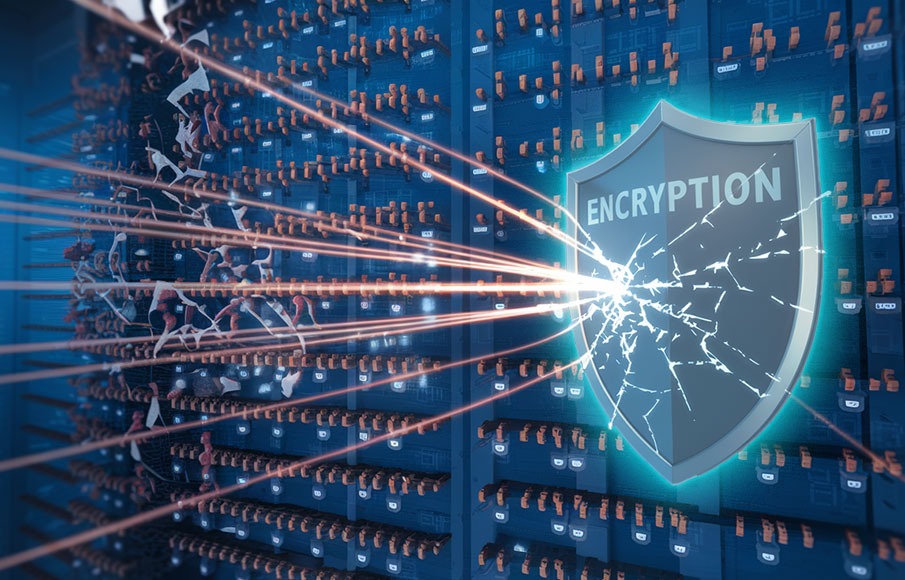
The scariest cyberattack is not always the loud one that locks a screen or steals a password. Quantum Encryption Technology matters because it attacks the quiet payoff behind much of today’s hacking: stolen encrypted data that can be saved, traded, and cracked later. If the math that protects bank logins, medical records, cloud accounts, and government files stops being hard enough, the old hacking model loses its best prize.
For U.S. readers watching privacy, finance, and national security collide, this is not science fiction floating above daily life. It is the reason agencies, banks, hospitals, and tech vendors are rethinking how trust works online. You can follow broader technology coverage for U.S. readers as this shift moves from labs into products, policy, and buying decisions. The simple answer is this: quantum-safe systems make copied data far less useful to attackers, even when they have time, money, and patience. That answer is early because readers deserve the point before the technical tour begins.
Why Old Encryption Is Losing Its Safety Margin
Most people picture hacking as a break-in. Someone guesses a password, slips through a weak app, or tricks an employee into clicking a fake invoice. Those attacks still matter, but encryption has always been the deeper safety net beneath the mess. When a hacker grabs traffic from a payment page or steals a database backup, encryption is supposed to make that stolen pile unreadable.
The Lock Was Built Around Hard Math
Modern online security leans on math problems that normal computers handle poorly. RSA and elliptic-curve systems protect the key exchange that lets your browser and a website agree on a secret. A laptop can use the system with ease, while an attacker faces a problem too large to solve in a useful time.
That trade has worked because the attacker plays by the same computing rules as everyone else. Add more servers, spend more money, wait longer, and the wall still stands. That is why your banking app can move money across public networks without treating every cable and router as trusted ground.
Quantum computing changes the shape of that deal. A strong enough quantum machine could run algorithms that attack some public-key systems in a way classical machines cannot match. The point is not that every password falls overnight. The point is sharper: the old lock was never magic. It was a bet on how hard certain math would stay.
A simple store checkout shows the hidden trust. You tap a saved card, the browser checks a certificate, keys are exchanged, and the payment data moves through systems you never see. The shopper sees a spinner and a receipt. The real security sits in the math that made the conversation private before the payment even left the device.
“Harvest Now, Decrypt Later” Is the Quiet Threat
The most practical danger is patient theft. A spy group, crime ring, or hostile contractor does not need a working quantum computer today to cause damage. They can copy encrypted traffic now and keep it. Years later, if the tools arrive, yesterday’s private files may become readable.
That risk hits long-lived data first. Think of a U.S. hospital sending patient records to an insurer, a defense supplier sharing design files, or a law firm moving merger documents through cloud storage. A stolen lunch order loses value fast. A medical history, Social Security number, or government contract can matter for decades.
Here is the odd part: quantum risk can grow before quantum computers are ready. That sounds backward, but it is how stored data works. The attacker’s clock starts when the data is copied, not when the machine is built. For families, that means old tax records and account data deserve better protection than most people give them.
Companies have a harder version of the same problem. Their encrypted archives may include customer IDs, employee files, product plans, legal notes, and old email exports. Nobody brags about backup tapes or cold storage buckets, yet those old corners can hold the records attackers want. The future breach may start with data copied during a routine system migration.
How Quantum Encryption Technology Breaks the Old Hacker Payoff
The goal is not to make every computer quantum-powered. That would be the wrong mental model. The real goal is to make stolen encrypted data less valuable by changing the math, the key exchange, and in some cases the way keys travel. The win is plain: if copying traffic no longer gives hackers a future payday, a major class of attacks loses its pull.
Post-Quantum Cryptography Changes the Lock, Not the Internet
Post-quantum cryptography is the main path most Americans will feel, even if they never see the term on a screen. It uses new kinds of math designed to resist attacks from both regular computers and future quantum machines. Websites, apps, cloud services, VPNs, and payment systems can adopt it without asking users to own quantum hardware.
This matters because the internet cannot pause while banks, schools, stores, and agencies rebuild. A payroll company in Ohio still needs logins to work on Monday morning. A local clinic in Arizona still has to send claims. Good security has to fit into ordinary systems or it sits unused in a brochure.
The non-obvious lesson is that the less dramatic fix may protect more people. Quantum key distribution sounds more futuristic, but post-quantum cryptography can move through software updates, browsers, servers, and vendor contracts. NIST finalized its first three post-quantum encryption standards in 2024, giving vendors a shared base to build from through NIST’s post-quantum standards announcement.
Hybrid protection will matter during the messy middle. A service can pair today’s proven methods with post-quantum cryptography so a flaw in one does not leave the whole session exposed. That kind of belt-and-suspenders design may sound cautious, but cautious is exactly what you want when banks, pharmacies, airports, and school systems all depend on the same public networks.
Quantum Key Distribution Protects the Handoff
Quantum key distribution takes a different route. Instead of only changing the math, it uses quantum physics to help two parties share keys in a way that can reveal eavesdropping. If someone tries to observe the key exchange, the act of watching can disturb the system. That makes secret handoffs safer in special settings.
It is not a magic shield for every coffee shop Wi-Fi login. QKD often needs special equipment, careful network design, and distance planning. That makes it more likely to appear first in finance, defense, research, and high-value data links than in a budget home router.
Still, it has a place. Picture two data centers moving sensitive trading data between New Jersey and New York, or a federal lab linking secure sites. In those cases, the cost and setup may make sense. The twist is that quantum-safe encryption and quantum key distribution are not rivals in a simple race. One can protect broad digital life. The other can harden narrow channels where the stakes pay for the hardware.
There is another lesson hiding here. Better key exchange does not excuse poor identity checks. If the wrong person gets approved at the door, a protected handoff still sends secrets to the wrong place. The future of encryption will rely as much on certificates, device trust, and account control as it does on exotic physics. A locked tunnel still fails if the badge reader accepts a fake badge. In practice, that means login rules, device enrollment, and certificate cleanup will decide whether advanced protection holds under real pressure.
Where U.S. Homes, Banks, and Agencies Will Feel the Change
Security shifts feel distant until they land in ordinary bills, logins, devices, and rules. That is what will happen here. You may not shop for algorithms at Best Buy, but your phone maker, bank, browser, tax software, employer, and router brand will make choices on your behalf. The better they move, the less you notice.
Your Router and Phone Matter More Than a Lab Demo
For a household, the first signs will look plain. A phone update may add quantum-safe encryption to a messaging or VPN feature. A browser may negotiate a safer key exchange without asking you to choose one. A router firmware update may support newer security libraries. No glowing quantum chip. No sci-fi screen.
That plainness is good news. Most people do not manage cryptography well by hand. They miss updates, reuse passwords, and keep old devices because the TV still streams. So the best consumer rollout is quiet, automatic, and backed by clear vendor support.
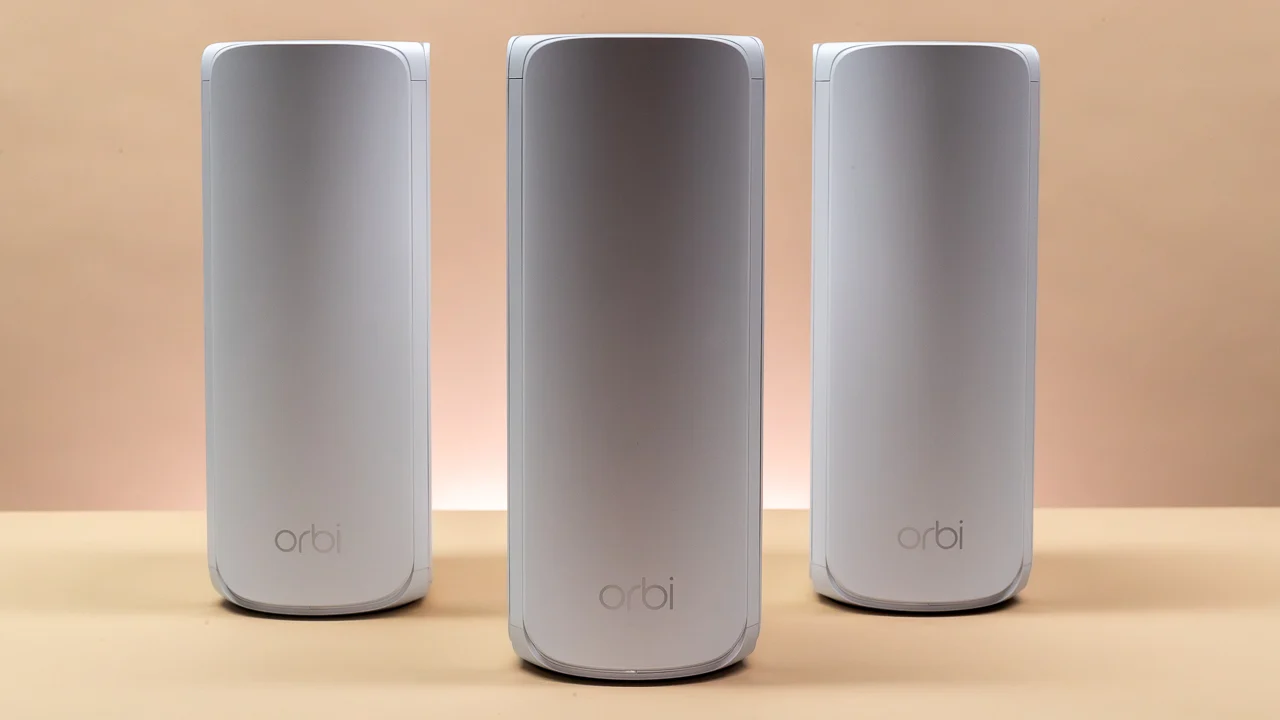
A real example sits in the cable box, Wi-Fi router, and old smart camera many U.S. homes keep for years. The weak spot may not be the shiny new laptop. It may be the device that stopped getting updates after the warranty ended. That is why a home cybersecurity checklist should include replacement timelines, not only stronger passwords. In the quantum era, dead devices become long-term weak links.
Phone choice will matter too, though not in the way ads suggest. The safest phone is often not the one with the flashiest camera. It is the one that gets security updates for years and runs apps that adopt quantum-safe encryption without drama. A cheap device that loses support early can become costly in a family that banks, works, shops, and stores health data on it.
Why Small Businesses Should Care Before the Breach
Small businesses often assume this is a bank or Pentagon problem. That mistake is expensive. A dental office, title company, regional warehouse, or local accounting firm may hold data that stays useful for years. Hackers do not need celebrity targets when ordinary records can be sold, combined, or used for fraud.
Post-quantum cryptography will reach many of these businesses through vendors. Payment processors, cloud storage tools, HR platforms, email providers, and managed IT firms will decide how fast protections arrive. Owners should ask simple questions now: Which products use quantum-safe encryption? What is the upgrade path? Which old systems cannot be updated?
The counterintuitive move is to start with paperwork, not products. Contracts, cyber insurance forms, vendor reviews, and data maps can reveal where sensitive information travels. A small business that knows its data paths can move faster than a larger company stuck arguing over unknown systems. A small business data protection guide can help turn this from an abstract fear into a vendor checklist.
Banks and public agencies will set many expectations for everyone else. When a lender updates its secure portal, vendors that connect to that portal must keep up. When a state system changes certificate rules, contractors have to respond. That pressure will roll downhill into local offices, software providers, and managed service companies across the country.
How to Prepare Before Quantum-Safe Becomes Normal
Preparation does not mean panic buying. It means knowing what you own, what it protects, and how quickly it can change. The organizations that struggle most will not be the ones with fewer security tools. They will be the ones with hidden encryption, old certificates, forgotten backups, and vendors that cannot explain their roadmap.
Build an Encryption Inventory Before Buying Tools
An encryption inventory sounds dull because it is. It is also the first useful step. You need to know where public-key cryptography appears: websites, VPNs, email systems, code signing, device certificates, database backups, cloud storage, APIs, and identity tools. Without that map, upgrades become guesswork.
For a U.S. manufacturer, the surprise might be an old machine controller that signs firmware with outdated methods. For a city office, it might be a public records portal maintained by a vendor under a contract nobody has reviewed in five years. For a family, it might be a password manager on an unsupported phone.
Quantum-safe encryption works best when paired with honest asset tracking. Ask which data must stay private for ten, twenty, or thirty years. Then rank those systems first. Payroll data, health files, student records, trade secrets, and legal archives deserve earlier attention than low-risk marketing files. The right order saves money and reduces noise.
Do not forget old copies. Backups, exports, test databases, and shared folders often carry the same sensitive data as live systems with weaker controls around them. If those copies were encrypted under older methods, they may need retirement, re-encryption, or tighter storage rules. The boring archive room may be where the next serious risk hides.
Crypto-Agility Is the Habit That Keeps You Ahead
Crypto-agility means your systems can swap algorithms without breaking everything around them. It is not a product label. It is a design habit. If your company needs a full rebuild each time standards change, you are already behind.
This matters because no one should pretend the first migration is the last. Algorithms age. Implementations get tested. Hardware improves. Attackers find side channels. A healthy system accepts change without turning every upgrade into a crisis.
The practical test is simple. Can your vendor name the algorithms they use? Can they support hybrid modes during transition? Can certificates rotate without outages? Can old backups be re-encrypted or retired? If the answer is foggy, the risk is not only quantum. It is poor control. Quantum-safe encryption rewards teams that treat security as maintenance, not as a one-time purchase.
For homeowners, the same habit looks smaller but still matters. Buy devices with a clear update policy. Remove apps you no longer trust. Keep a password manager current. Turn on multi-factor login for bank, email, tax, and cloud accounts. The quantum shift does not cancel normal security work. It raises the cost of pretending old tools can last forever. The best early move is boring on purpose: shorten device lifetimes, document vendors, and stop treating encryption as a mystery owned only by engineers.
Conclusion
The next phase of cybersecurity will not be won by louder warnings or flashier dashboards. It will be won by making stolen data less useful. That is the part many people miss. Hackers chase payoff, and encryption shapes the payoff more than most tools do.
Quantum Encryption Technology changes the old bargain by weakening the value of copied traffic, archived secrets, and long-lived records. It does not end phishing, bad passwords, insider abuse, or sloppy software. It does something narrower and more powerful: it protects the future privacy of data moving today.
For Americans, the smartest response is practical. Update devices. Choose vendors that can explain post-quantum cryptography. Replace unsupported hardware. Ask banks, insurers, cloud providers, and IT teams about their migration plans before the deadline arrives. The quantum shift will feel invisible when handled well, and painful when ignored. Start asking better questions now, because tomorrow’s breach may already be sitting in yesterday’s encrypted file. The safer future belongs to people who prepare before the warning feels urgent, not after vendors set the clock for them.
Frequently Asked Questions
How does quantum-safe encryption protect data from future hackers?
It changes the math behind key exchange and digital signatures so stolen encrypted data is harder to crack later. The main goal is to protect long-lived records, such as health files, legal documents, financial data, and government information that may stay sensitive for years.
Is post-quantum cryptography already available for regular users?
Yes, parts of it are already moving into browsers, VPNs, cloud tools, and enterprise systems. Most users will not install it by hand. It will appear through software updates, vendor upgrades, and security changes made by banks, apps, and service providers.
Does quantum key distribution work better than normal encryption?
It can be stronger for certain key-sharing situations, but it is not practical for every network. It needs special equipment and careful setup. For broad public use, post-quantum cryptography is likely to reach more people faster through normal software and internet systems.
Can quantum computers break all passwords?
No. Quantum computers mainly threaten certain public-key systems used for key exchange and signatures. Weak passwords are still a separate problem. A short reused password can fail today, with no quantum machine involved. Password managers and multi-factor login still matter.
What does harvest now, decrypt later mean?
Attackers copy encrypted data today and store it until better cracking tools exist. The data may look safe now, yet become readable later if old encryption breaks. This matters most for records with a long shelf life, such as medical, legal, tax, and defense data.
Should homeowners replace old routers for quantum-safe security?
A router that no longer receives updates should be replaced for many reasons, not only quantum risk. Unsupported devices miss security fixes and may block newer protections. A current router with active firmware support is a safer base for future encryption changes.
What should small businesses ask vendors about quantum readiness?
Ask which systems use public-key encryption, whether post-quantum cryptography is on the roadmap, and how updates will happen. Also ask about certificates, backups, APIs, and older software. A clear answer shows planning. Vague sales language is a warning sign.
Will quantum-safe systems make hacking disappear?
No. They reduce one major payoff: cracking stolen encrypted data later. Attackers can still phish employees, exploit weak apps, steal devices, or abuse poor access controls. The best defense pairs stronger encryption with training, patching, backups, and careful vendor management.